
Mon–Fri: 6 AM–9 PM, Sat–Sun: 7 AM–9 PM(806) 370-4846
Airlock Lubbock Spray Foam InsulationAirlock Lubbock Spray Foam Insulation

Vapor barrier installation in Lubbock TX - a drier crawl space under your floors

Damp, musty crawl space? We find where the water comes from, then cover the ground so moisture stays away from your floor framing.

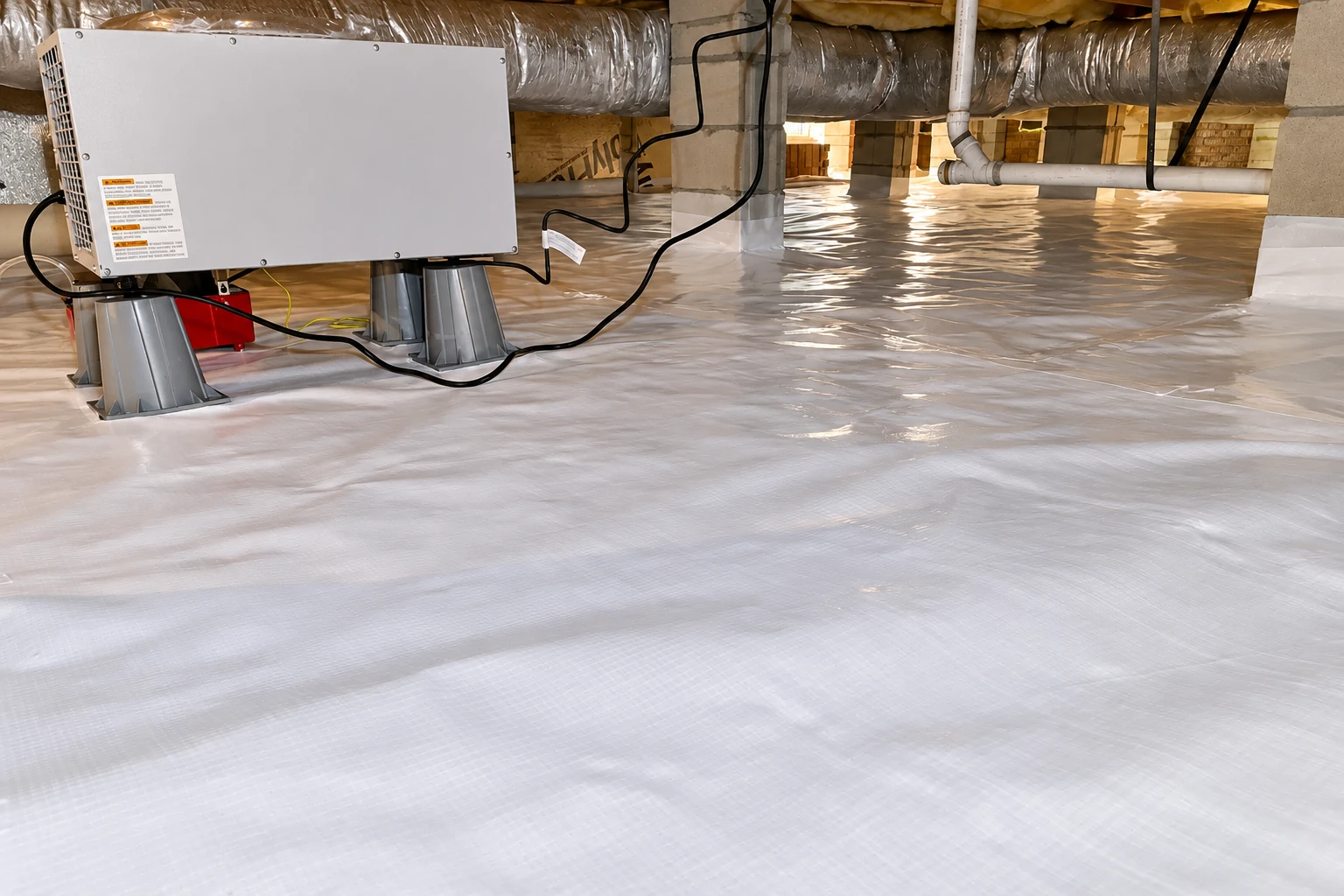
A white vapor barrier covers a crawl space floor around an HVAC unit, support piers, and overhead ductwork.

Does my crawl space need a vapor barrier?

At Airlock Lubbock Spray Foam Insulation, vapor barrier installation in Lubbock means laying a plastic ground cover over the floor of your crawl space, the low space under the house, so moisture from the dirt doesn't feed mold and rot in your floor joists and rim joists, the boards around the outer edge of the floor frame.

Most crawl spaces I look at have bare dirt, an old torn sheet of plastic or a cover that stops short of the walls. A cover by itself fits when the ground is dry and the damp is coming up out of the soil, but if water is pooling down there or the dirt stays wet, the water has to be dealt with first, or the plastic just hides the problem.

The price moves with the size of the crawl space, how much is stored down there, how rough the ground is, how far up the walls and piers the cover runs and whether any water problems need fixing first. The schedule turns mostly on that last one, since water fixes come before any plastic goes down, and on how soon the space can be cleared. I'll give you a written estimate once I've been under the house and seen it for myself.

What happens when you call about a vapor barrier in Lubbock?

You'll deal with me at the start and the finish, and our crew in between.

I come out and look under the house

I'm the one who walks the yard, crawls in and talks you through what I saw, then sends a written estimate before you decide anything. I started as a helper on an insulation crew around Lubbock and opened this business in 2021.

Our own crew does the work

When you're ready to go ahead, our own crew lays the cover, following the plan we went over at the estimate. We're licensed and insured.

I walk the finished job with you

When the crew is done, I go over the finished job with you so you can see where the cover runs and ask anything you like. Satisfaction guaranteed on every job.

How we handle vapor barrier installation

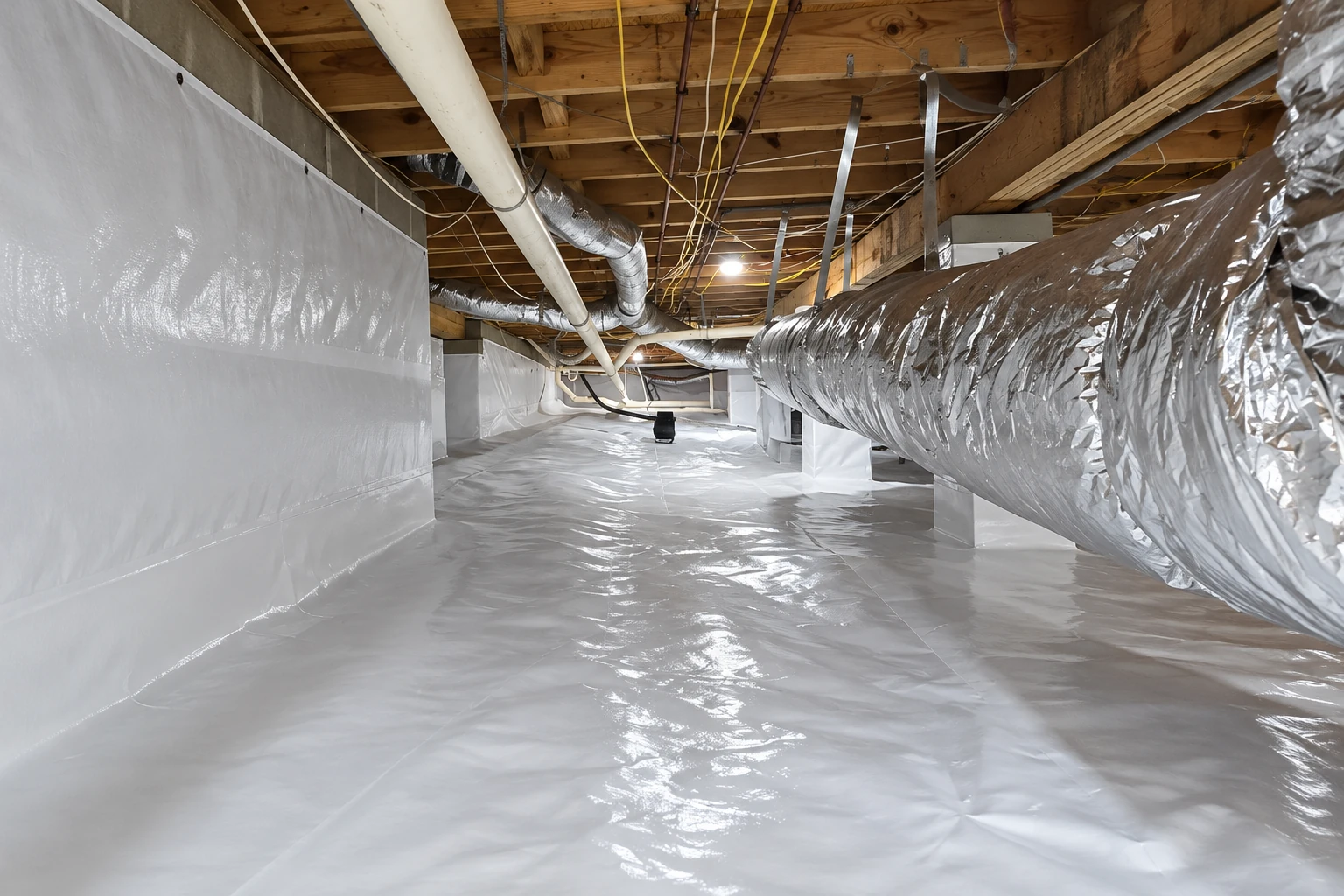
A dry crawl space starts outside, so before we lay any plastic I walk around the house and look at how water moves, because in a vented crawl space most of the moisture usually comes from water running in through poor grading, missing drainage around the foundation or sprinklers soaking the wall. If I see that, I'll tell you plainly, since it needs fixing before a cover will do much good. Then our crew lays plastic over the whole floor and runs it up the walls and piers where we can, so no strip of bare dirt is left at the edges, and a full cover helps keep soil gases out of the house along with the damp.

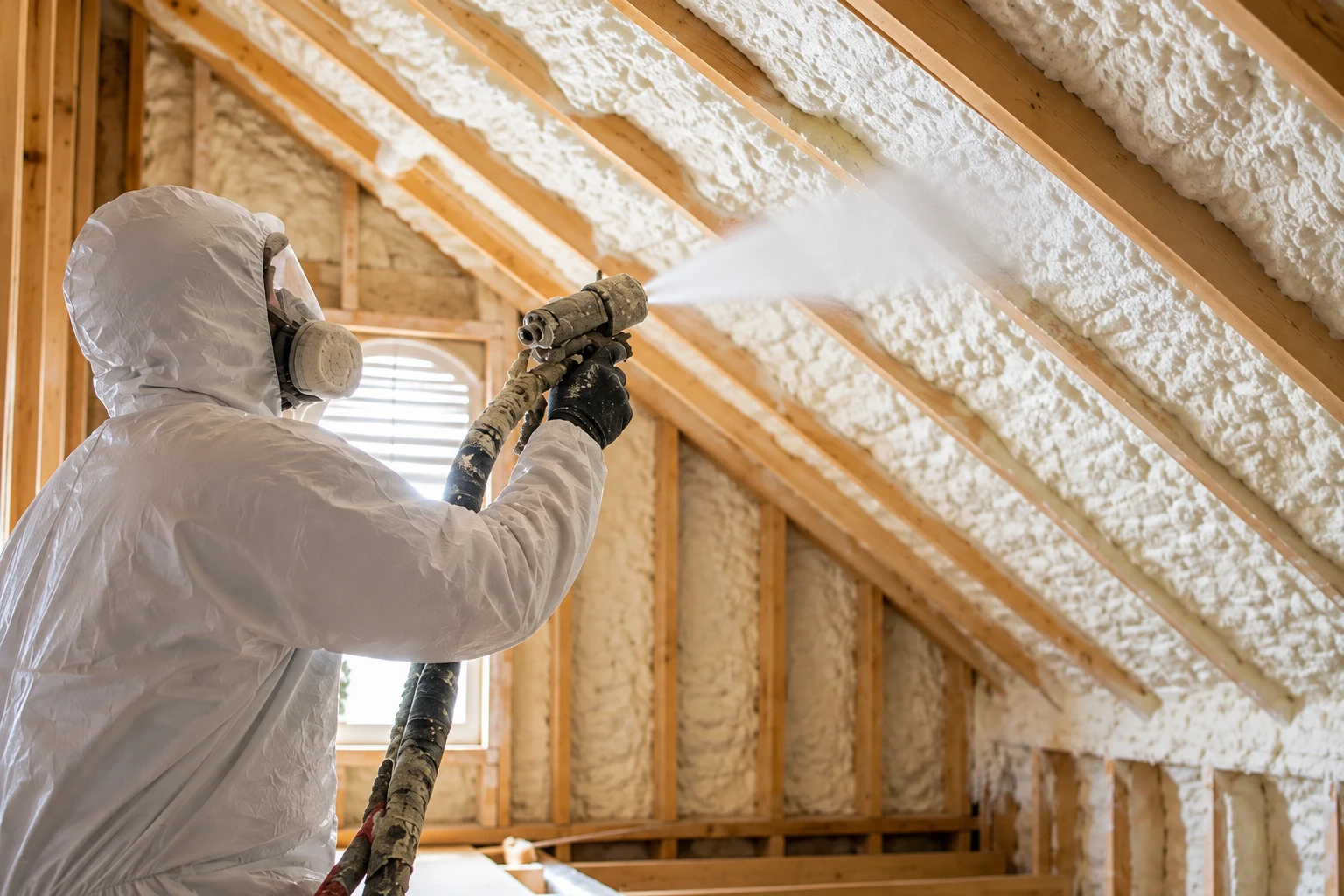
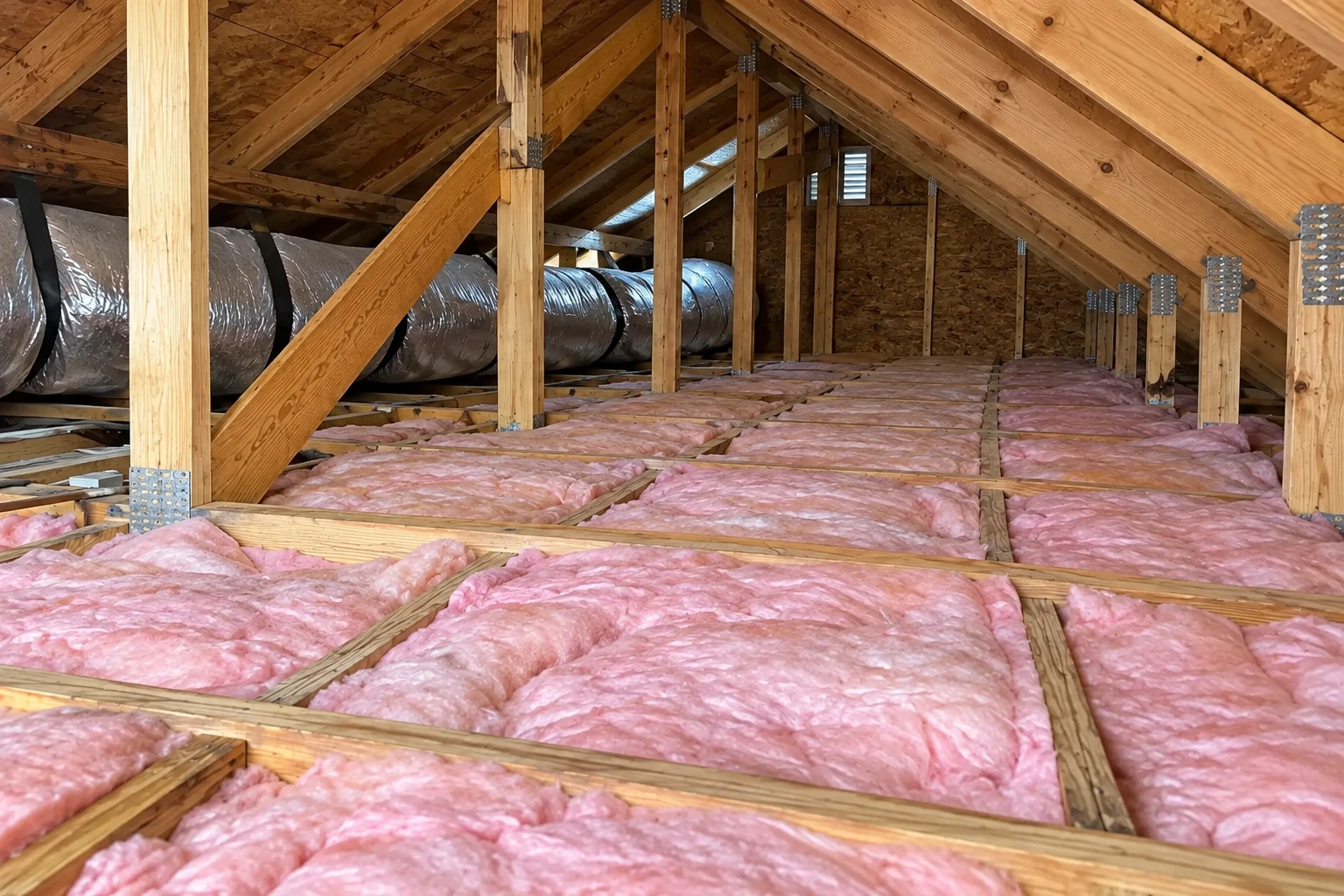
A ground cover handles the dirt, but cold floors and a high power bill often have causes elsewhere in the house. If air is leaking through the ceiling, attic air sealing closes the gaps around lights, pipes and the hatch, and in an older home retrofit insulation adds to what's already in the attic and walls. I'll only bring those up when I see a reason for them.

  • A look at grading, drainage and sprinklers around the house before any plastic goes down
  • Old torn plastic pulled out before the new cover goes in
  • Plastic laid over the whole crawl space floor, with no bare dirt left at the edges
  • The cover run up the walls and piers wherever we can reach
  • A plain word on anything we find that needs fixing first, like a leak or wet soil

How the job goes, step by step

Every crawl space is a little different, but the order of the work doesn't change much.

  1. Look it over

    I start in the yard, then go under the house with a light to check the soil, the walls, the piers and any old plastic, because what's down there decides what the cover needs. Nothing gets decided until I've seen it.

  2. Agree on the scope in writing

    Your written estimate says what we'll cover, how far up the walls we'll go and anything I think needs fixing first. That way you know what you're paying for before the crew shows up.

  3. Lay the cover

    Our crew rolls the plastic across the floor, overlaps the seams and works it around piers and pipes, because a gap at the edge lets moisture come right back up. We take the time to fit it close instead of leaving loose flaps.

  4. Clean up and check the edges

    Before we leave, we haul out the scraps and any old plastic. Then we go along every wall and pier looking for a loose or short edge.

Get a free on-site estimate for your crawl space vapor barrier

Send the form or call (806) 370-4846, and we'll get back to you within one business day. I'll come out, look under the house, talk through what I find and send a written estimate, with no pressure to book. It helps if you can tell me whether the crawl space has vents, whether you've seen standing water or drainage trouble and how much is stored down there.

(806) 370-4846

Vapor barrier questions we hear in Lubbock

Does a vented crawl space still need a vapor barrier?

Yes, a plastic ground cover should go in whether your crawl space is vented or sealed up. The vents move air, but they don't keep moisture from rising out of the dirt, so we plan a cover either way.

What should be fixed before sealing my crawl space?

Drainage and moisture problems in and around the crawl space have to be dealt with before the walls are sealed and insulated, so the space stays dry once it's closed in. That's the same outside water I check before any job, so I'll tell you at the estimate what needs fixing first.

How thick should a crawl space vapor barrier be?

Federal weatherization guidance calls for plastic at least 6 mil thick, a mil being a thousandth of an inch, so ask anyone quoting your job how thick their plastic is. One cost guide says a heavier liner is especially worth it when the ground is rough or full of exposed gravel, or when someone crawls down there often to work on heating, cooling or plumbing.

Do I need to clear out my crawl space before the vapor barrier goes in?

Usually, yes, because moving stored things and debris out lets the cover reach every part of the ground instead of stopping around boxes. If something down there is heavy or hard to move, tell me at the estimate and we'll talk it over.

Working in Lubbock and the cities around it

Lubbock's list of work that needs a permit names structural, electrical, plumbing and mechanical changes, and it doesn't name vapor barriers, so I won't guess on that for you. When a job does need a permit, we get it from the city where the house sits and take care of the paperwork, and when we aren't sure, we call that city's building office and ask before we start.

If you'd like to ask yourself, Lubbock's Building Safety Department takes residential questions at 806-775-2087, Monday through Friday, and you can ask for a Residential Plans Examiner. The city works from the International Residential Code, so if you're curious how it touches your crawl space, ask me at the estimate. We're based in Lubbock and do the same work in Wolfforth, Slaton, Levelland, Plainview, Littlefield, Brownfield and the cities around them.

Have me look under your house

It's easier to plan any water fixes and the cover together when I've seen both on one visit, so call (806) 370-4846 or send the form.

If you're still not sure a ground cover is what your crawl space needs, call or send a note and I'll talk it through with you.

Tell us about your project
(806) 370-4846Get an estimate